Opening times:
Mon – Fri 8am – 8pm | Sat 10am – 2pm | Sun 10am – 4pm |
Mon – Fri 8am – 8pm | Sat 10am – 2pm | Sun 10am – 4pm |
Call Us:
0800 246 5538

Mon – Fri 8am – 8pm | Sat 10am – 2pm | Sun 10am – 4pm |
Mon – Fri 8am – 8pm | Sat 10am – 2pm | Sun 10am – 4pm |
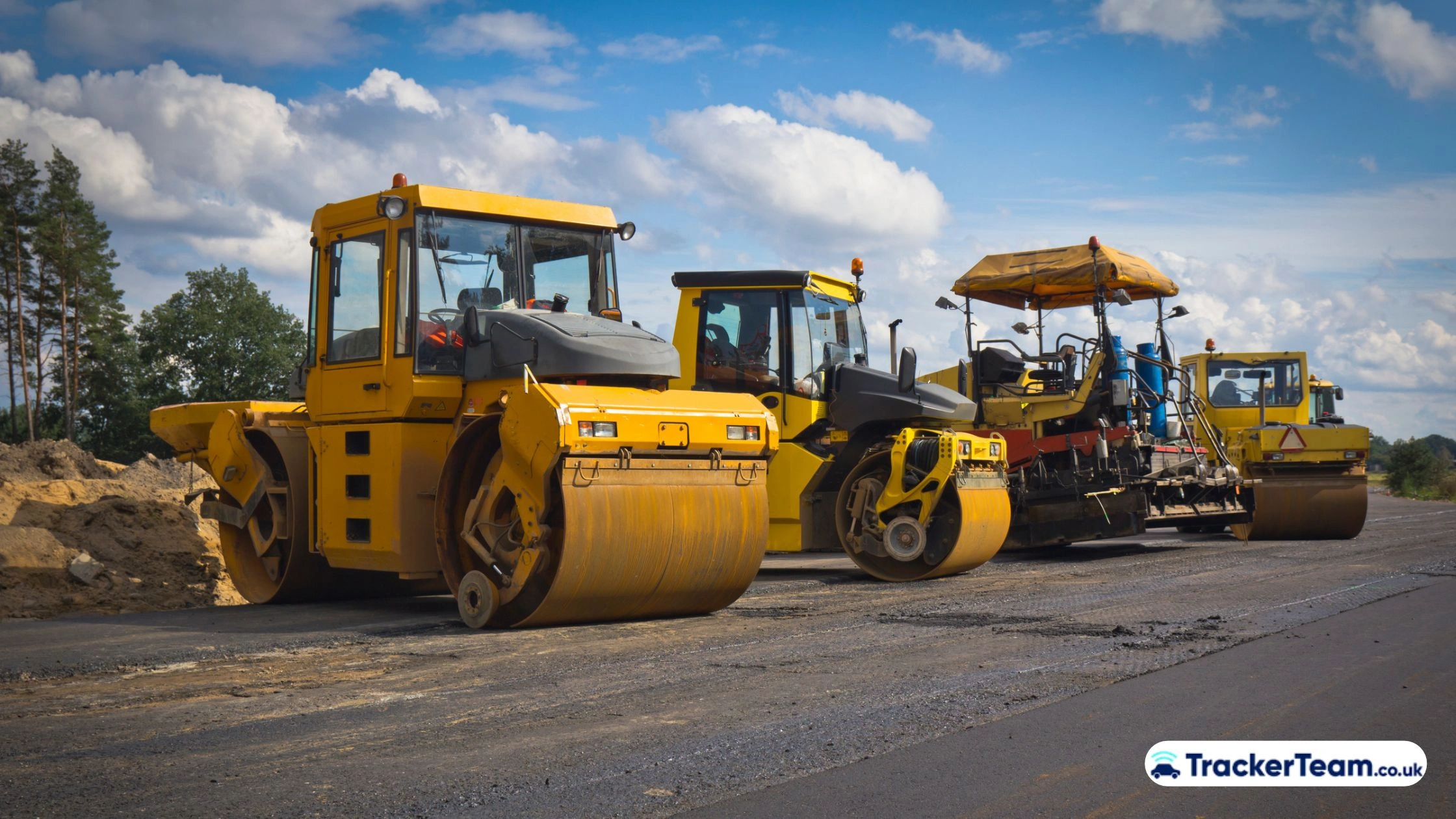
Do construction equipment rental firms need insurance approved tracking? Yes. Almost every specialist plant and tool hire insurer in the UK will now require Thatcham Trackers fitted to excavators, telehandlers, generators, and other high-value hired equipment before they’ll offer cover, and many will decline a claim outright if an uncertified device, or no device at all, was fitted at the time of the theft. With plant theft costing the industry over £1.1 billion a year and fewer than 15% of stolen machines ever recovered, insurers treat certified tracking as a baseline condition of cover rather than an optional extra.
Rental fleets are a soft target. Equipment is moved between sites, often left unattended overnight or over a weekend, and is easy to resell once serial numbers are altered. Insurers have responded by tightening the terms on hired-in plant cover, and a Thatcham-certified tracker is now the most common condition attached to a policy. Without one, some insurers will apply a higher excess, load the premium significantly, or refuse to insure certain machine categories at all. For a rental business running dozens of assets across multiple sites, that condition applies to the whole fleet, not just the machines you consider high risk.
Not all trackers meet the insurance bar. Thatcham accreditation is the industry benchmark, and two categories cover most plant and rental applications.
Category S5 is the higher specification option, adding driver recognition technology through an ID tag or fob so the system can flag unauthorised use, alongside remote immobilisation in some setups. It suits your highest-value machines or plant that regularly moves between operators.
Category S7 gives you reliable, professionally monitored GPS tracking and recovery support without the driver recognition layer, making it a cost-effective way to bring an entire hire fleet up to insurer standard. Many insurers will accept S7 as the minimum for standard plant and vans, while reserving S5 for premium or high-theft-risk assets.
Because insurer requirements vary by policy and by machine value, it’s worth checking your renewal terms against the Thatcham Trackers range before you assume a lower-spec device will be accepted.
The numbers make the case on their own. UK construction firms lose more than £1.1 billion a year to theft, and plant machinery carries the highest average loss per incident at around £45,000. Mini excavators, telehandlers, dumpers, and generators are consistently the most targeted items on site. Once a machine is stolen, the odds of getting it back are poor: recovery rates for plant sit below 15%, and organised theft rings typically alter identifying marks and move equipment on quickly. For a rental company, one uninsured or underinsured loss like this can wipe out the margin on dozens of hires.
Legislation is starting to reinforce what insurers already require. The Equipment Theft (Prevention) Act 2023 gives the Secretary of State powers to bring in regulations covering agricultural and construction equipment, including mandatory immobilisation devices and unique, traceable identifiers, along with stricter record-keeping requirements for anyone selling that equipment second-hand. The detail is set through secondary legislation, so exact requirements continue to be refined, but the direction of travel is clear: forensic marking and tracking are moving from insurer preference toward a wider legal expectation for equipment used commercially.
Insurance approval is the reason most hire firms fit trackers first, but the benefit doesn’t stop at the policy document. A tracked fleet gives you real utilisation data, so you can see which machines are earning their keep and which are sitting idle on a yard. It flags unauthorised movement the moment it happens, rather than when a customer or site manager notices a machine is missing. And because certified trackers are professionally monitored, recovery teams can work with police far faster than they could from a customer report alone, improving your odds of getting the asset back before it’s stripped or shipped out of the country.
If you’re renewing plant hire insurance, onboarding new fleet stock, or simply tightening up security across your yard, matching the tracker to what your insurer actually requires is the first step, not an afterthought. Browse the full range of Thatcham Trackers to find S5 and S7 certified options sized to your fleet, with fitting handled by Thatcham-approved installers so your cover is valid from day one.