Opening times:
Mon – Fri 8am – 10pm | Sat 9am – 5pm | Sun 9am – 10pm |
Mon – Fri 8am – 10pm | Sat 9am – 5pm | Sun 9am – 10pm |
Call Us:
0800 246 5538

Mon – Fri 8am – 10pm | Sat 9am – 5pm | Sun 9am – 10pm |
Mon – Fri 8am – 10pm | Sat 9am – 5pm | Sun 9am – 10pm |
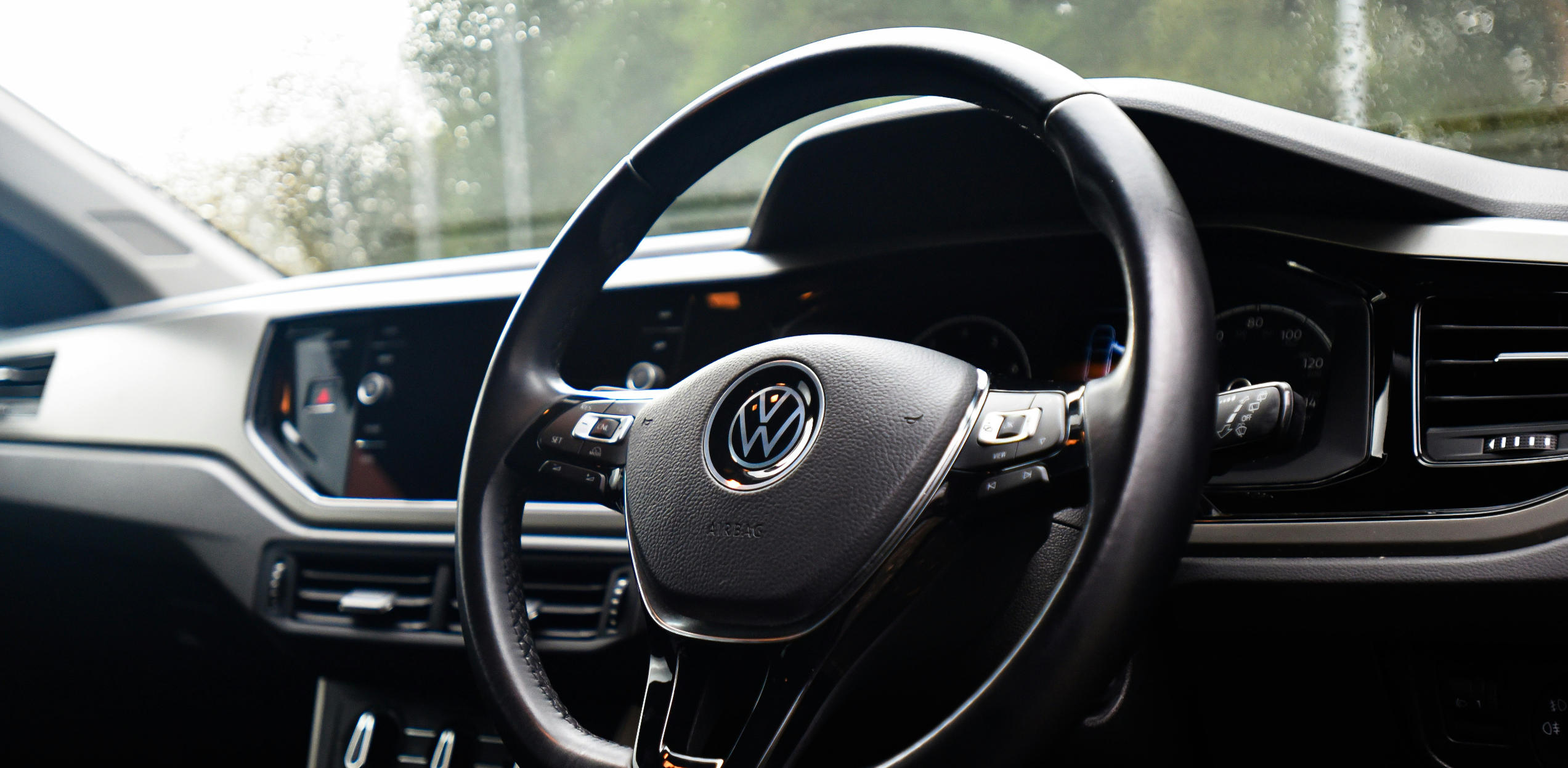

A car immobiliser is an electronic security device fitted to a vehicle that prevents the engine from running unless the correct key or token is present. It works by disabling one of the systems needed to start the car, usually the fuel supply or the ignition. This means that even if a thief manages to break into your vehicle, they cannot drive it away without the authorised transponder. In an era where keyless car theft is rising, relying solely on door locks is no longer sufficient. An immobiliser acts as a silent, digital guardian that neutralises the threat of hot-wiring.
The concept behind an immobiliser is relatively simple, but the technology is sophisticated. When you insert your key into the ignition or bring your key fob into the cabin, a small chip inside the key (a transponder) sends a unique code to the car’s Engine Control Unit (ECU).
If the code matches the one stored in the ECU, the immobiliser disarms, allowing the fuel to flow and the engine to fire. If the code is incorrect or missing for instance, if a thief uses a screwdriver to force the ignition barrel the ECU refuses to start the engine.
Early immobilisers were simple kill switches. Today, they are integrated into the vehicle’s complex computer network (CAN bus). Modern car immobilisers communicate with multiple control units simultaneously, making them incredibly difficult to bypass without specialist equipment.
However, factory-fitted immobilisers have a weakness: they rely on the physical key or its signal. If thieves steal your key or clone its signal, the factory immobiliser is defeated. This is why aftermarket solutions have become essential for high-value vehicles.
Standard factory immobilisers are struggling to keep up with modern theft techniques. The most common method used by organised gangs today is the “relay attack.”
Thieves use electronic devices to capture the signal from your key fob (often while it sits inside your house) and relay it to the car on your driveway. The car believes the key is present, disarms the factory immobiliser, unlocks the doors, and allows the engine to start. The entire process takes seconds.
This is where aftermarket Car Immobilisers step in. Systems like the Autowatch Ghost II introduce a secondary layer of security that operates independently of the factory key. Even if the thief has your actual key, the car will not start without a secondary authorisation—typically a PIN code entered via the steering wheel buttons.
Investing in an aftermarket system offers several distinct advantages over relying solely on the manufacturer’s standard equipment.
The most significant benefit is the introduction of a unique PIN sequence. Before you can drive, you must enter a combination using the existing buttons in your car (such as volume up, cruise control, etc.). This makes the vehicle impossible to drive for anyone who doesn’t know the code.
Factory immobilisers are installed in the same place on every model of a specific car. Thieves know exactly where to look to disable them. Aftermarket immobilisers are small, wrapped in the vehicle’s original wiring loom tape, and hidden deep within the dashboard or engine bay. They are incredibly difficult to find.
Unlike trackers or key fobs, many high-end immobilisers do not transmit radio frequency signals. This means thieves cannot use signal scanners to detect the device’s presence or location.
A common concern for vehicle owners is whether installing an aftermarket security device will void their manufacturer’s warranty.
Generally, fitting a high-quality, non-invasive immobiliser will not affect your warranty, provided it is installed by a certified professional. Premium devices connect to the CAN bus data network digitally, meaning they do not require wires to be cut.
However, poor installation can cause electrical gremlins. This is why it is critical to use approved installers who understand the complex electronics of modern premium vehicles. A professional installation ensures the device works seamlessly with your car’s existing systems without causing fault codes or battery drain.
Insurance companies are acutely aware of the ease with which factory security can be bypassed. Consequently, they look favourably on owners who take extra steps to secure their assets.
Many insurers now mandate the installation of additional security for high-performance models (like the Range Rover Sport, BMW M4, or Audi RS6). Installing a Thatcham-approved immobiliser can:
One practical question owners often ask is: “What happens when I take my car for a service? Do I have to give the mechanic my PIN code?”
The answer is no. Modern immobilisers feature a “Service” or “Valet” mode. This allows you to temporarily disable the PIN requirement.
You can activate this mode before handing your keys to a garage or valet parking attendant. The car will start and drive normally without the code. Once you get the vehicle back, you simply re-enter your PIN or use a smartphone app to re-arm the system, restoring full security.
Top 3 Car Immobiliser Solutions
While a tracker is an excellent tool for recovering a vehicle after it has been stolen, an immobiliser is the ultimate tool for preventing the theft from happening at all. It stops the crime at the very first step starting the engine.
For owners of premium vehicles, the combination of a tracker (for location) and an aftermarket immobiliser (for prevention) offers the most robust security package available. It ensures that your car remains exactly where you left it.
Don’t wait until your vehicle becomes a statistic. Secure it with technology that puts you in control. Contact the experts at Tracker Team today to discuss the best Car Immobilisers for your specific vehicle make and model at our immobilisers page, or explore advanced packages like the Ghost Immobiliser and ScorpionTrack and Trace for the ultimate in security and peace of mind.