Opening times:
Mon – Fri 8am – 8pm | Sat 10am – 2pm | Sun 10am – 4pm |
Mon – Fri 8am – 8pm | Sat 10am – 2pm | Sun 10am – 4pm |
Call Us:
0800 246 5538

Mon – Fri 8am – 8pm | Sat 10am – 2pm | Sun 10am – 4pm |
Mon – Fri 8am – 8pm | Sat 10am – 2pm | Sun 10am – 4pm |
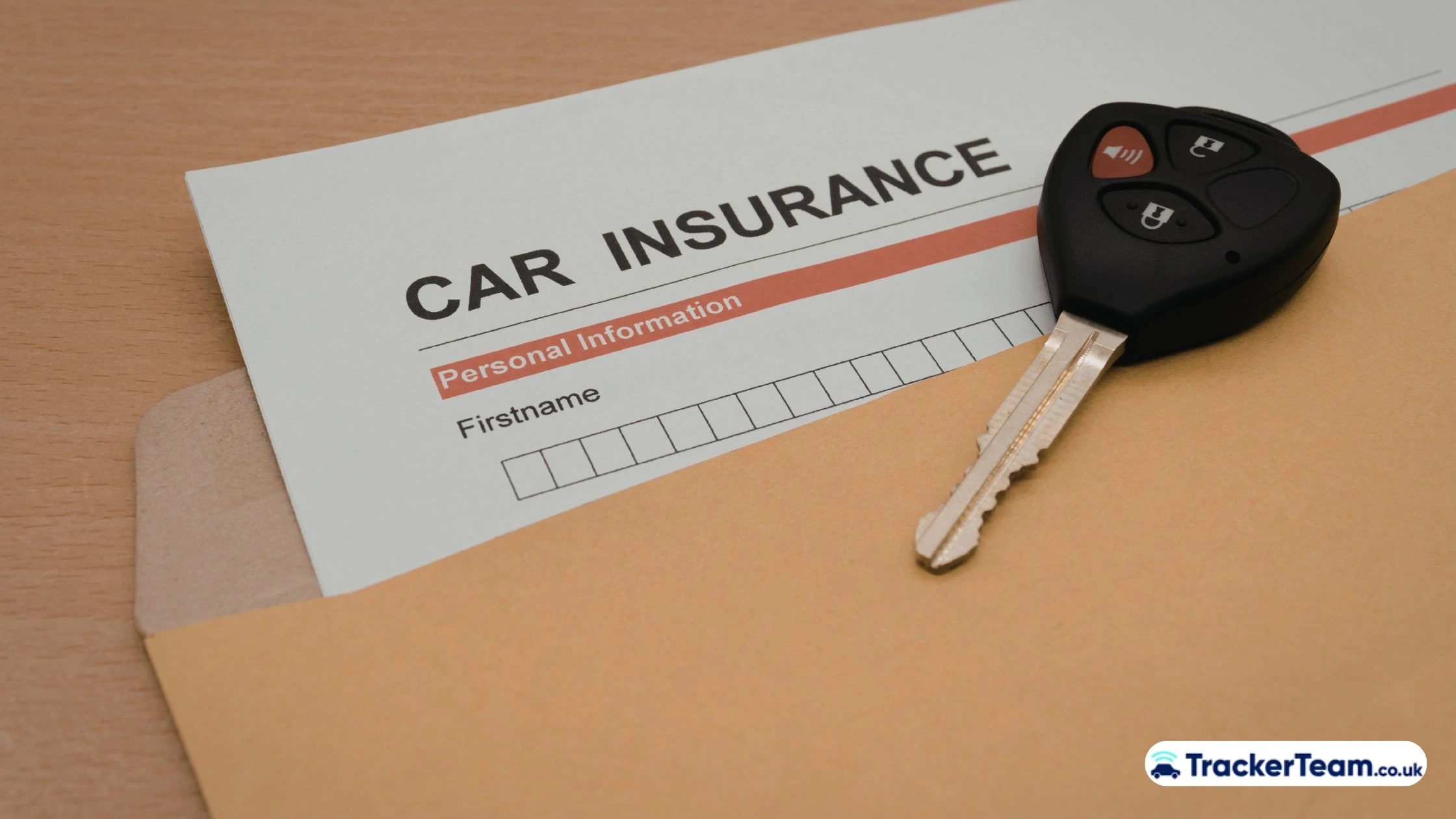
Does a Thatcham approved tracker lower insurance? generally, yes. While every insurance provider uses a different algorithm to calculate risk, the installation of a Thatcham Approved Tracker is widely recognised as one of the most effective ways to lower your premium. By equipping your vehicle with a device that guarantees a high probability of recovery, you are demonstrating to the insurer that you are a lower-risk policyholder. For owners of luxury, classic, or high-performance cars, this is often not just a route to cheaper insurance but a mandatory requirement to obtain cover at all. To see which security systems could help reduce your annual costs, explore the premium range available at Tracker Team via our Thatcham trackers page.
To understand why Car Trackers influence insurance costs, you have to look at the situation from the insurer’s perspective. Their business model is built on calculating the probability of a claim and the potential cost of that claim.
Vehicle theft is a massive liability for insurance companies. If a £60,000 Range Rover is stolen and never recovered, the insurer faces a total loss payout. However, if that same vehicle is fitted with a Thatcham accredited system, the odds of recovery skyrocket. Thatcham Research is the rigorous testing body funded by the insurance industry itself. When a device carries their stamp of approval, it tells the insurer that:
Because the risk of a “total loss” payout is significantly reduced, insurers can afford to pass some of those savings back to you in the form of a lower premium.
The relationship between trackers and insurance typically falls into two categories: mandatory and voluntary.
For vehicles over a certain value threshold (often around £50,000 to £75,000) or for specific high-risk models (like the Land Rover Defender or Audi RS6), insurers will often refuse to offer theft cover unless an Insurance Approved Tracker is fitted. In this scenario, the question isn’t about getting a discount; it’s about getting insured in the first place. The tracker validates the policy.
If you drive a mid-range vehicle where a tracker isn’t compulsory, installing one voluntarily can still yield financial benefits. While the discount percentage varies—typically ranging between 5% and 25%—it is a smart way to protect your No Claims Bonus. Even if the premium reduction is modest, avoiding the colossal spike in future premiums that follows a theft claim makes the investment worthwhile.
If you are unsure whether your policy requires a specific category of security, check your documents and then browse the compliant options at Tracker Team on our Thatcham trackers collection.
Not all trackers are created equal in the eyes of an insurer. The category of the device—S5 or S7—can influence the level of discount offered.
When considering the cost of a tracker, it is helpful to look at the “Total Cost of Ownership” versus the potential savings.
A premium Thatcham Approved Tracker involves an initial installation fee and an annual subscription cost for the 24/7 monitoring service. At first glance, this might seem like an added expense. However, you should weigh this against:
While lower monthly payments are attractive, the true financial value of a tracker lies in avoiding the hidden costs of theft.
If your vehicle is stolen without a tracker, it is rarely recovered. You then face:
By ensuring recovery often within hours a tracker prevents the theft from becoming a total loss claim. This keeps your claim history cleaner and your future premiums lower.
Ultimately, installing a tracker is a prudent financial decision that goes beyond immediate monthly savings. While a Thatcham Approved Tracker will frequently lower your insurance premium, its real value lies in securing your asset and protecting your long-term insurability. In a market where vehicle theft rates are rising, being proactive with your security is the best way to keep your running costs down.
Whether you are looking to meet a mandatory insurance requirement or simply want to reduce your annual renewal quote, our experts can guide you to the right solution. Contact the Tracker Team today to find the perfect security system for your vehicle at our Thatcham Approved Trackers page.