Opening times:
Mon – Fri 8am – 8pm | Sat 9am – 5pm | Sun 10am – 4pm |
Mon – Fri 8am – 8pm | Sat 9am – 5pm | Sun 10am – 4pm |
Call Us:
0800 246 5538

Mon – Fri 8am – 8pm | Sat 9am – 5pm | Sun 10am – 4pm |
Mon – Fri 8am – 8pm | Sat 9am – 5pm | Sun 10am – 4pm |
Yes. In the UK, most commercial and fleet insurers either require or strongly reward a Thatcham-approved tracking system on highways maintenance vehicles, and fitting one is usually the quickest way to secure cover and unlock a premium discount. These vehicles are high in value, frequently carry expensive plant and equipment, and regularly sit unattended at roadside works, depots and overnight compounds, which makes them a clear target for theft. An insurance-approved tracker gives your insurer the reassurance they need and gives you a monitored, police-supported route to recovery if a vehicle is taken. You can view the full range on the Thatcham Approved Trackers collection.
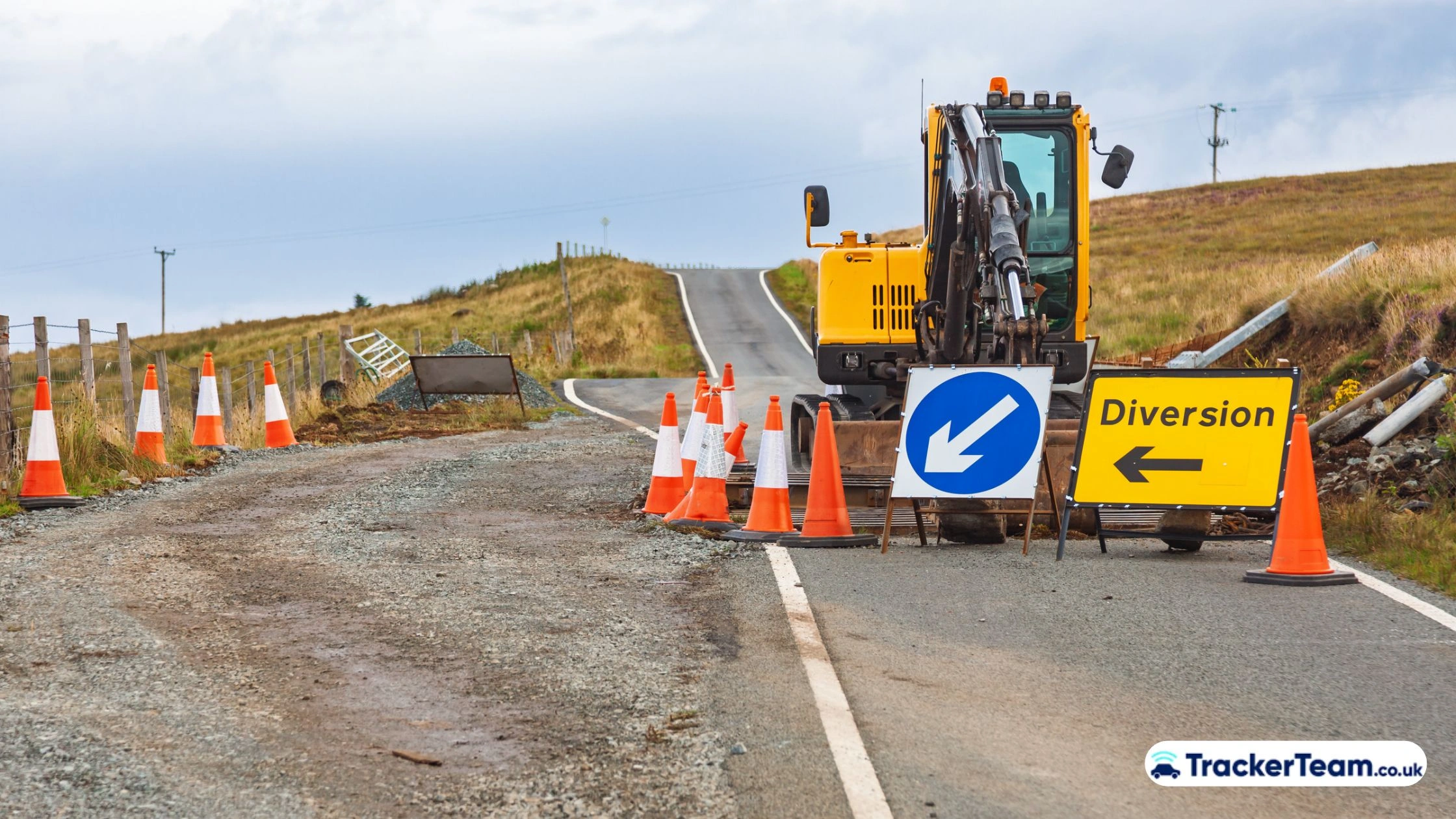
Highways maintenance operators run some of the most attractive vehicles on the road for organised thieves. Tippers, sweepers, gritters, welfare units, tar wagons and traffic management vehicles carry significant residual value, and the plant and tools stored on board often add thousands of pounds more. Because crews work in shifts and vehicles are left at roadside sites, laybys and unsecured compounds, the window of opportunity for theft is wide. Insurers understand this risk profile, which is why they increasingly treat an approved tracking system as a baseline expectation rather than an optional extra.
Thatcham Research is the UK automotive security benchmark, established by the motor insurance industry to test and certify vehicle security devices. A tracker that carries Thatcham accreditation has been independently assessed against the latest theft techniques, which is precisely why insurers trust it. Since 2019 aftermarket trackers have been classified under two live categories, S5 and S7, which replaced the older Category 5, 6 and 7 ratings.
S5 is the higher specification. It combines monitored location tracking with Automatic Driver Recognition, which alerts the monitoring centre if a vehicle moves without an authorised ID tag present. S5 systems commonly add remote immobilisation and a “no tag, no start” capability, making them well suited to high-value vehicles and plant that insurers regard as a priority risk.
S7 is a monitored stolen vehicle location system. It provides real-time tracking, theft alerts and 24/7 monitoring, but without the driver recognition and immobilisation features of S5. For many mixed highways fleets, S7 offers a cost-effective way to meet insurer requirements across a large number of vehicles.
Both categories are insurance approved. The distinction matters because your insurer may specify a particular category depending on vehicle type and value, so always confirm the requirement in writing before you fit. You can compare both across the Thatcham Approved Trackers range.
Start with your insurer. Ask which Thatcham category they require for each vehicle class, then match the specification accordingly. High-value plant and specialist units generally warrant S5 with immobilisation, while a broad fleet of support vehicles may be well served by S7. Consider where vehicles are stored overnight, how often they are left at unsecured roadside locations, and whether you need driver recognition to control unauthorised use. A UK-monitored solution with a 24/7 recovery centre gives you the strongest position for both insurance approval and theft recovery.
Will a Thatcham tracker reduce my fleet insurance premium?
In most cases, yes. Insurers reward approved trackers because they lower theft risk and improve recovery, which is typically reflected in a reduced premium.
Which is better for highways vehicles, S5 or S7?
S5 offers the higher level of protection with driver recognition and immobilisation, making it ideal for high-value units. S7 provides monitored location tracking and is a strong, cost-effective choice across wider fleets. The right answer depends on vehicle value and your insurer’s stipulation.
Are these trackers monitored around the clock?
Yes. Both S5 and S7 systems are monitored 24/7, with theft alerts and police liaison to support recovery.
Do I need a tracker on every vehicle?
Requirements vary by insurer and vehicle value. Many operators fit approved trackers fleet-wide to standardise cover and simplify policy management.
Insurance-approved tracking is now a practical necessity for UK highways maintenance operators, protecting your vehicles, your premiums and your contract commitments. Explore the full range of insurance and Thatcham Approved Trackers to find the S5 or S7 solution that fits your fleet.